Roaches in Florida: Palmetto Bugs vs the Real Problem
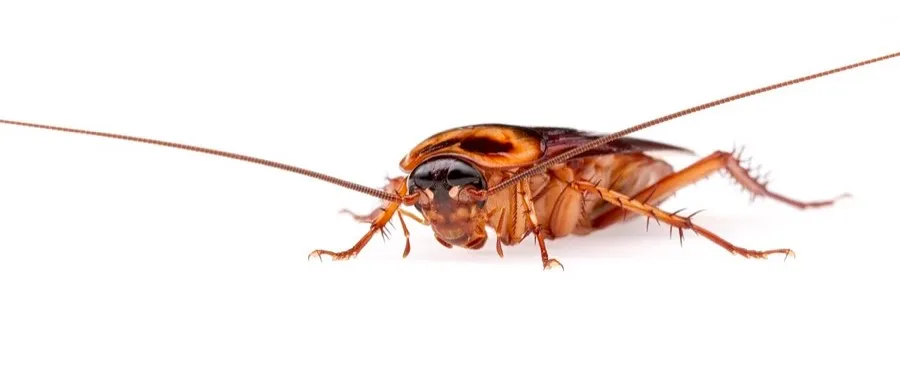
Every Florida homeowner meets a roach eventually, and the single most useful thing to know is that "roach" covers two very different problems. One is a big outdoor insect that wanders inside. The other is a small indoor breeder that turns into an infestation. The right response to each is completely different, and companies that quote you without asking which one you have are guessing.
The palmetto bugs: big, ugly, and mostly visitors
American, smokybrown, and Australian cockroaches, the inch and a half giants Floridians call palmetto bugs, live outdoors in mulch, palms, sewers, and attics. They come inside through gaps under doors, plumbing penetrations, and soffit vents, especially after heavy rain or during summer heat. Seeing one or two a month, usually at night, usually near a door or bathroom, does not mean your home is infested and it does not mean your home is dirty. It means you live in Florida.
What works against them is boring and physical: door sweeps, sealed plumbing gaps, screened vents, mulch pulled back from the foundation, and a perimeter treatment during the wet season. Indoor fogging for palmetto bugs is theater; the population lives outside.
German roaches: the actual infestation
German cockroaches are small, about half an inch, tan with two dark stripes behind the head, and they breed indoors, almost always in kitchens and bathrooms. They arrive in grocery bags, cardboard, used appliances, or from a neighboring unit, and a few become hundreds in weeks. Roaches during the day, roaches in the fridge gasket, or pepper like droppings in cabinet corners mean a German roach problem, and that is a different league.
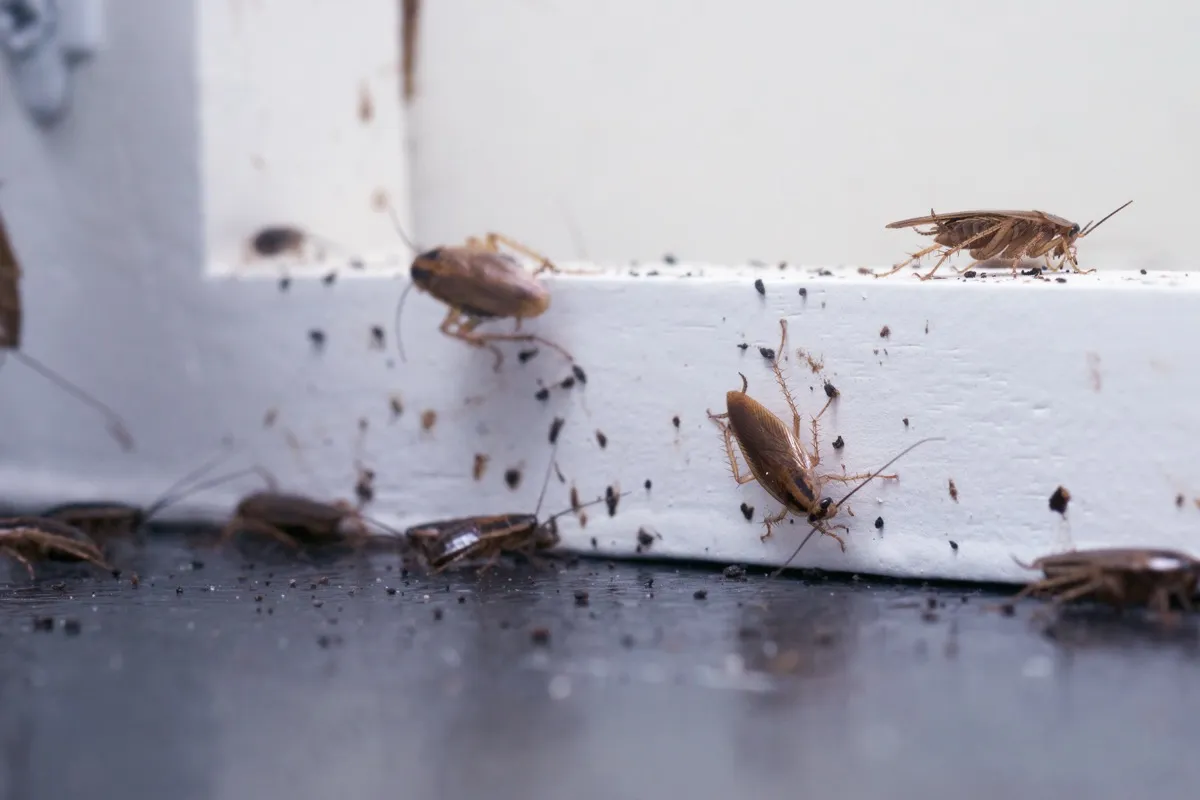
What works is gel bait placed in cracks and crevices near where they hide, insect growth regulators, and patience over two to four weeks. What fails is the spray can: repellent sprays scatter the colony deeper into walls and make baiting harder. If you rent, notify the landlord in writing; in multifamily buildings the whole line of units usually needs treatment or they simply migrate and return.
When to bring in a professional
- German roaches confirmed. A serious kitchen infestation is a cleanout job with follow up visits, and it is worth doing right once.
- Sightings during daylight. Daytime activity signals crowding, which means the population is large.
- Recurring palmetto bugs despite sealing. Attic or wall void populations sometimes need targeted treatment, not more spray.
Costs for cleanouts and recurring plans are in the Florida cost guide, so you can recognize a fair quote when you hear one.