What General Pest Control Actually Includes in Florida
Every Florida pest company sells a recurring plan, and most homeowners sign one without knowing what the visit actually consists of or which pests it covers. Here is the honest anatomy of general pest control in this state.
What happens on a visit
- Inspection: a walk of the interior hot spots (kitchen, bathrooms, garage) and the exterior perimeter, looking for activity, entry points, and conducive conditions like mulch against the wall or standing water.
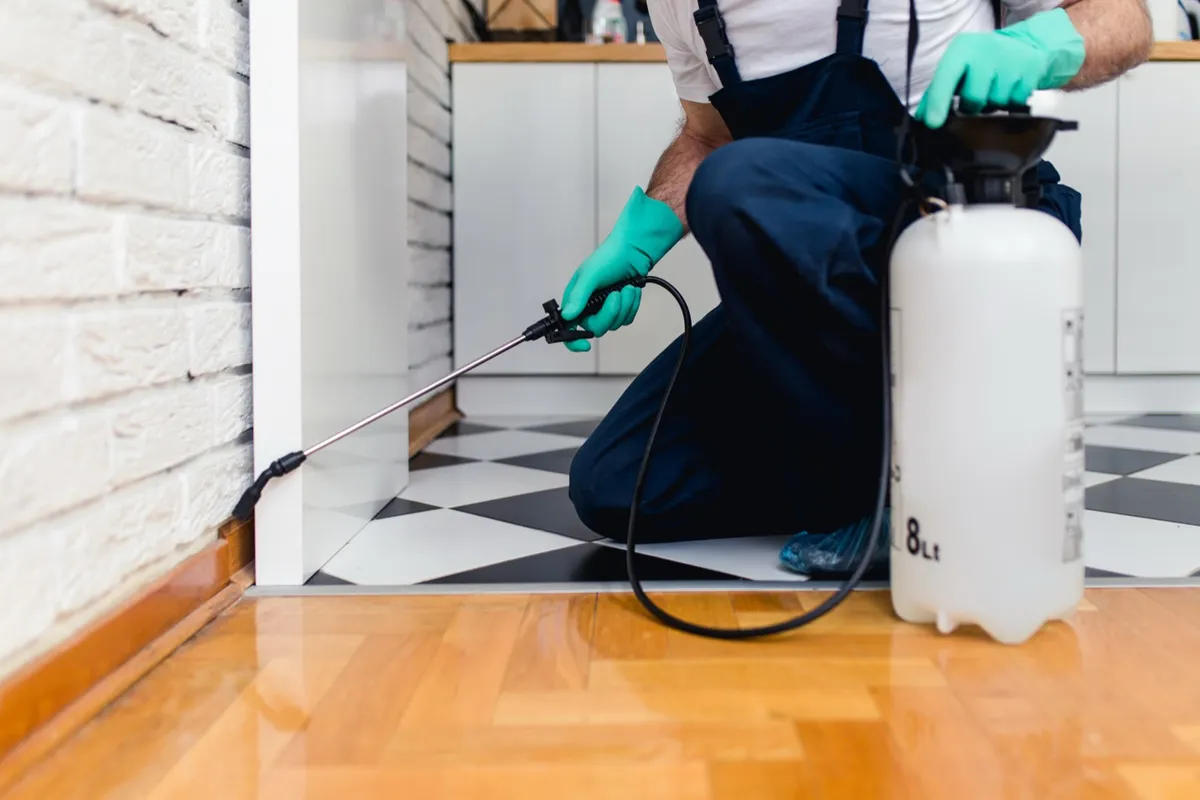
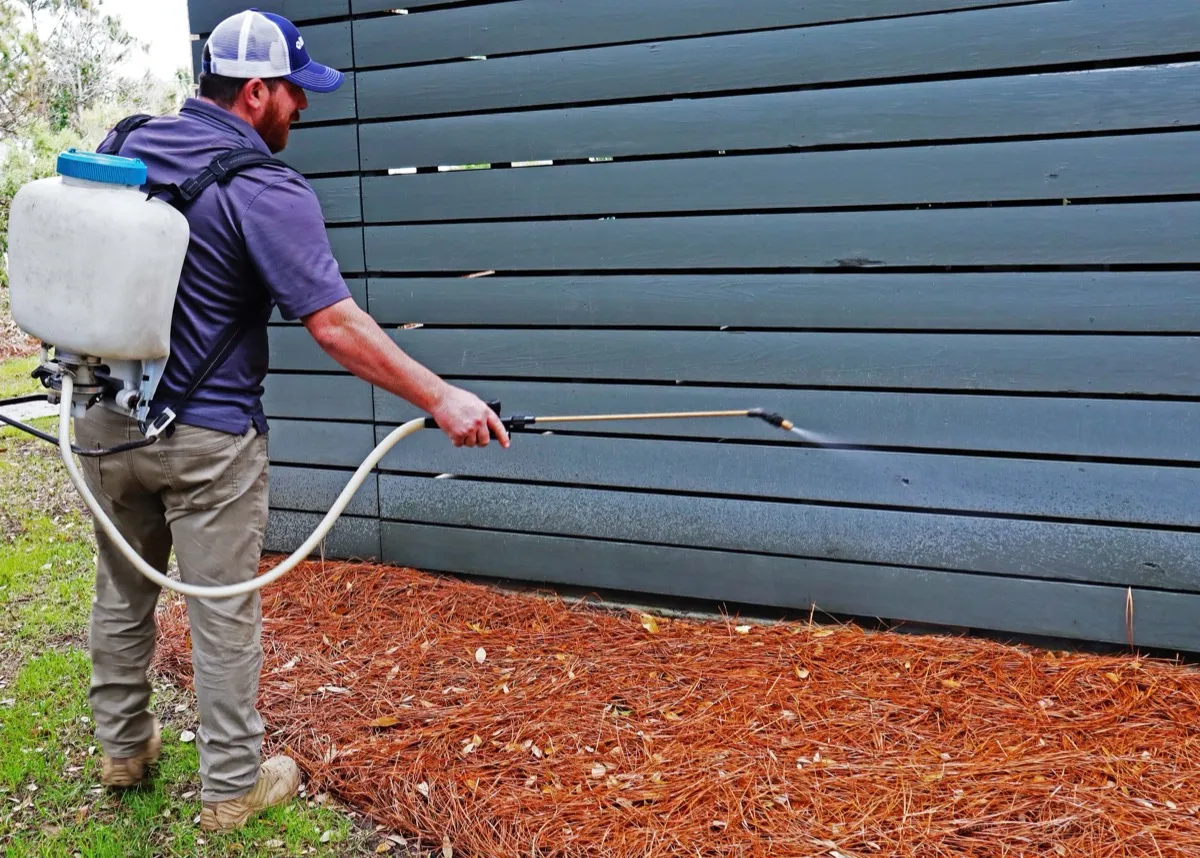
- Exterior barrier treatment: the core of modern Florida service. Product applied along the foundation, entry points, eaves, and around doors and windows. Done right, it keeps most pests from ever getting inside.
- Targeted interior work: baits and crack and crevice treatment where activity exists, not blanket spraying of your living space. Modern service is exterior heavy by design.
- Web and nest removal: knocking down spider webs and wasp nests within reach around the structure.
- Report: what was found, what was applied, and what the homeowner should fix, like the torn screen or the tree branch touching the roof.
Covered vs not covered
A standard Florida plan typically covers ants (most species), roaches, spiders, silverfish, earwigs, and general crawling insects. The exclusions are where surprises live:
- German roaches: the small kitchen roach that breeds indoors is usually a separate cleanout program, because it requires multi visit intensive work. The big roach Floridians call a palmetto bug is covered; the little one often is not.
- Rodents: rats and mice are a separate service, and the sealing work (exclusion) that actually ends a rodent problem is priced per home.
- Termites: never included in general pest control. Separate inspection, treatment, and warranty. See the termite guide.
- Bed bugs, mosquitoes, wildlife: all separate programs with their own pricing.
Monthly vs quarterly, and the Florida reality
Quarterly service is the most common arrangement statewide, and for a typical suburban home with normal pressure it is usually enough, because exterior products are designed to persist about that long. Monthly service earns its cost in specific situations: older homes with more entry points, properties backing onto preserves or canals, heavy tropical landscaping, or anyone who has just come out of an active infestation. In South Florida's twelve month bug season, "we only see pests in summer" is not the planning assumption it is up north.
What good service looks like
- Retreatment between visits at no charge if pests return; this should be in writing.
- The covered pest list named in the agreement, not implied.
- A tech who talks about conducive conditions, not just product.
- Integrated pest management thinking: exclusion and sanitation first, chemicals as the tool rather than the whole plan.