Fire Ants in Florida: Why Mound Killing Fails
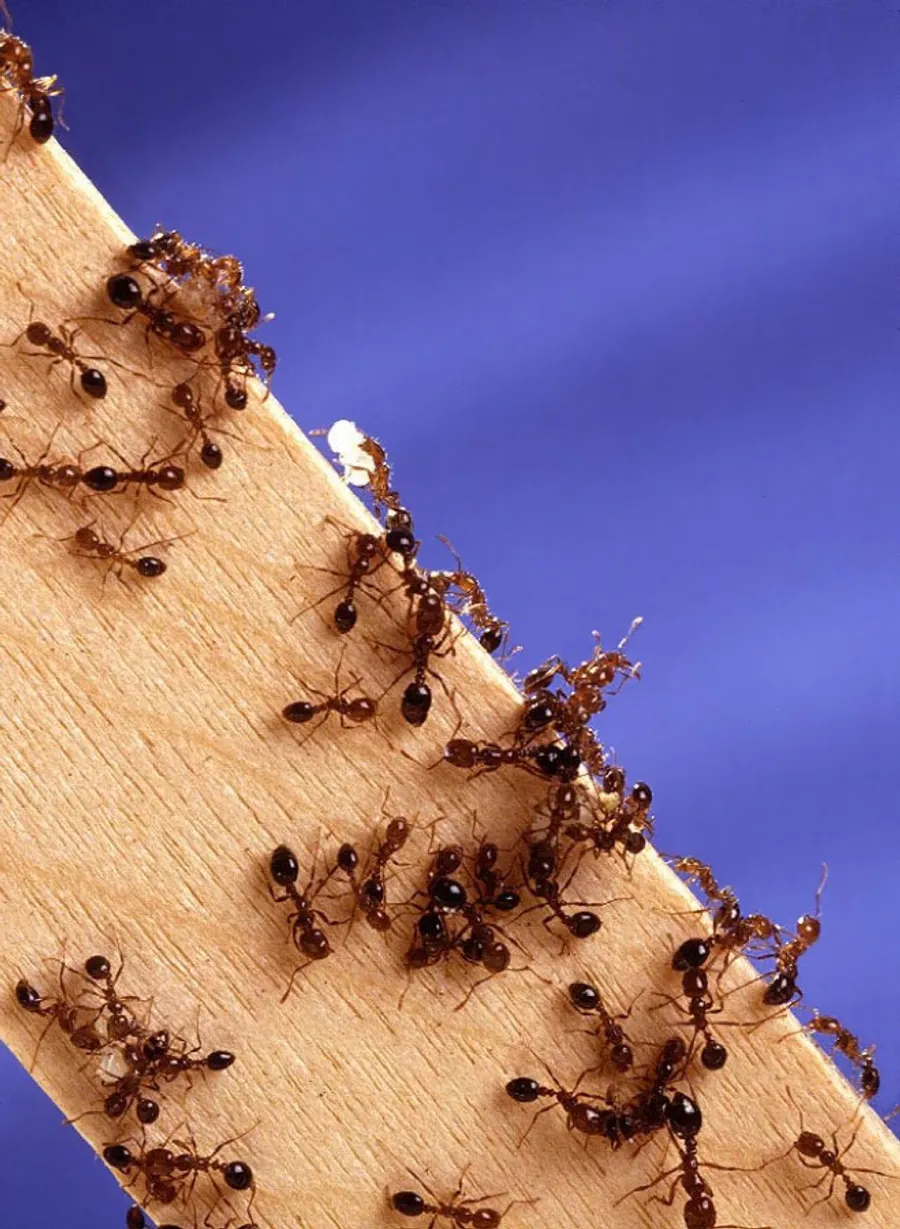
The red imported fire ant owns Florida lawns. Mounds erupt after every heavy rain, stings burn and blister, and for small children, pets, and the small percentage of people with serious allergic reactions, a stumble into a mound is a genuine medical event. The frustrating part is that most homeowners fight fire ants in exactly the way that cannot win.
Why boiling water and mound drenches keep failing
A fire ant colony is not the mound. It is a network of tunnels that can reach twenty feet out and several feet down, with one or more queens deep inside. Pour boiling water or drench chemicals on the mound and you kill workers, the colony reads the threat, and the queen is moved through the tunnels. A new mound rises ten feet away within days. You did not defeat the colony; you relocated it. Meanwhile the yard next door reinfests yours continuously, because a mated queen flies in and starts over any time.
The two step method university research actually backs
- Step one: broadcast bait over the whole yard. Fire ant bait is corn grit soaked in soybean oil carrying a slow acting ingredient. Foragers haul it to the queen, and the colony collapses from the inside over one to several weeks. Broadcast with a hand spreader in late spring and again in fall, when ants are actively foraging and rain is not imminent. A season of baiting a typical yard costs less than dinner out.
- Step two: treat only the emergency mounds. The mound next to the pool step or the mailbox gets an individual drench for fast knockdown. Everything else, let the bait do its slower, complete work.
This is the approach Florida's university extension programs have recommended for decades because it is the one that holds. Baits lose potency in heat and moisture, so buy fresh each season; a rancid bag from the garage is why "bait did not work for me" is such a common review.
The other ants in your kitchen are a different problem

Tiny ants trailing across a Florida counter, ghost ants, bigheaded ants, are not fire ants and do not respond to lawn tactics. Spraying the trail kills scouts and splits colonies into more colonies. Slow acting sweet baits, placed where the trail runs and left undisturbed, are what works indoors. If trails return for months no matter what, that persistence is a reasonable moment for professional help.