Mosquito Control in Florida: What Actually Works
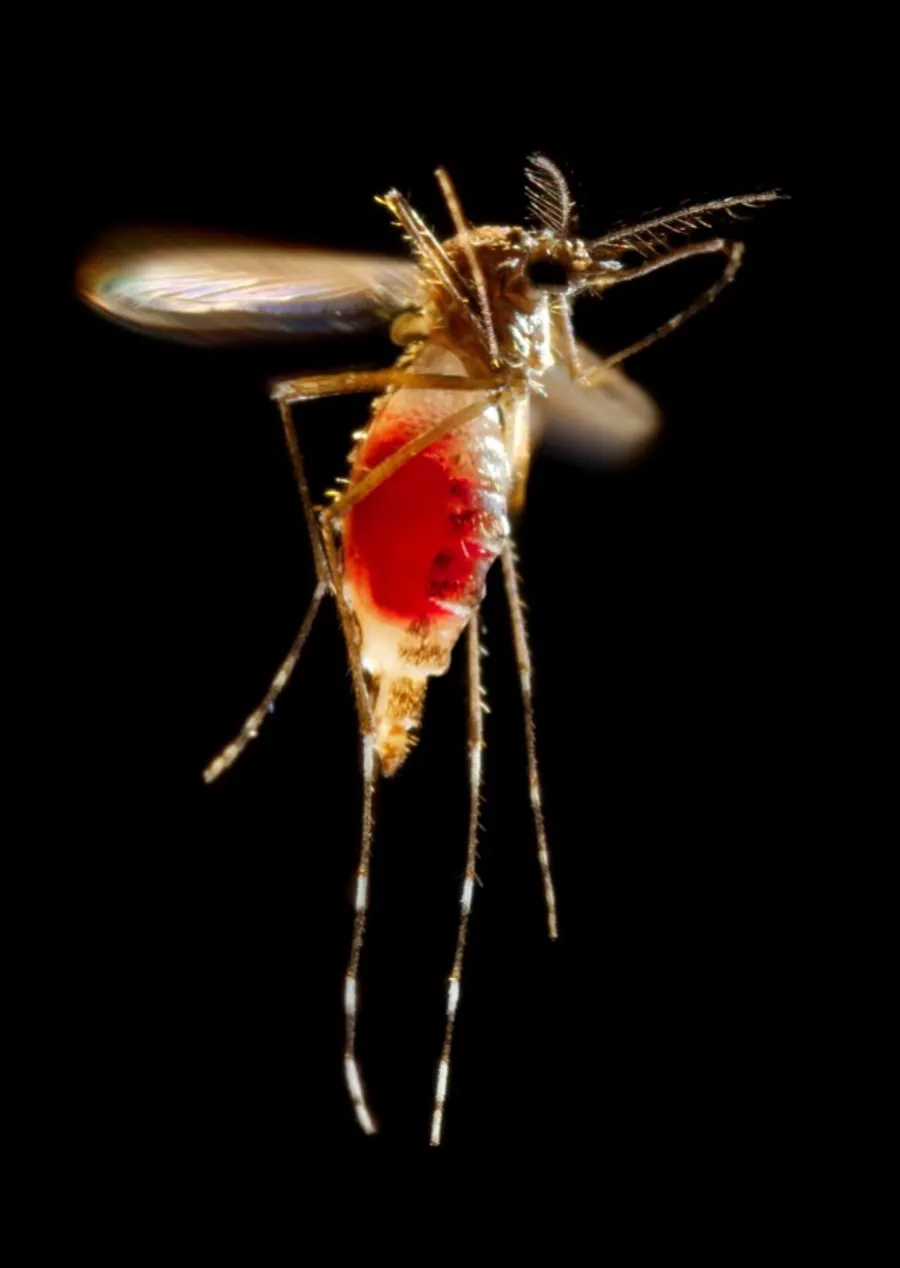
Here is the fact that changes how you spend money on mosquitoes: the ones biting you at a backyard barbecue were probably born within a couple hundred feet of where you are standing, quite possibly on your own property. Aedes aegypti and Aedes albopictus, the aggressive daytime biters that dominate Florida yards, breed in containers, not swamps. A bottle cap of standing water is enough.
The weekly habit that outperforms any spray
Once a week, walk the property and dump anything holding water: plant saucers, buckets, toys, tarps, boat covers, clogged gutters, bromeliad cups, the tray under the AC condensate line. Refill pet bowls and bird baths with fresh water. This is called source reduction, it is what every university extension program recommends first, and it is free. For water you cannot dump, rain barrels, drains, ponds, use Bti dunks, a bacterial larvicide that targets mosquito larvae and, used according to its label, is considered low risk for pets, fish, and birds. Bti products are not interchangeable: labels differ on where each may be applied, including water that people or animals drink, so match the specific product's label to the specific water source before treating.
What the paid options really do

- Barrier sprays. A tech treats resting surfaces, shrubs, under decks, fence lines, with a residual insecticide. The knockdown is real but it decays over three to four weeks, rain shortens it, and careless application kills pollinators. Reasonable before an outdoor event; as a subscription, understand you are renting a fading effect.
- Misting systems. Installed nozzles that fog the yard on a timer. They work while they run, cost thousands installed, and spray on schedule whether mosquitoes are present or not.
- Traps, zappers, and candles. Zappers mostly kill harmless insects. Citronella is marginal. Fans on a patio genuinely help; mosquitoes are weak fliers.
The free help most homeowners never use
Nearly every Florida county funds a mosquito control district or program. They respond to service requests, treat standing water, and in many counties will inspect for free, because dengue and West Nile cases in South Florida made this a public health budget line. Search your county name plus "mosquito control" and use the service you already pay taxes for before paying anyone else.