Bed Bugs in Florida: What Actually Works
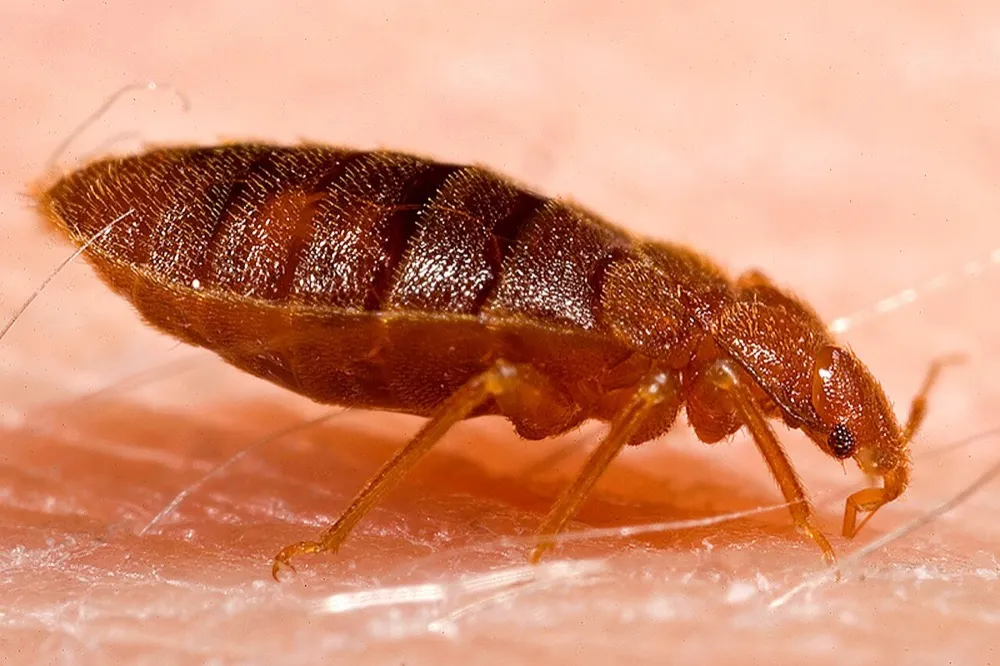
Bed bugs are the most emotionally charged pest problem in Florida, and the industry knows it. Panicked people overpay, throw away furniture they did not need to lose, and buy treatments that make things worse. This guide is the calm version: how to confirm what you have, what actually kills an infestation, and what fair pricing looks like.
First, confirm it is actually bed bugs
- The bug: apple seed sized, flat, reddish brown, no wings. After feeding they swell and darken. Nymphs are smaller and translucent amber.
- The evidence: pepper like black fecal dots along mattress seams, box spring corners, and behind the headboard; shed skins; occasionally tiny blood smears on sheets.
- The bites: unreliable evidence on their own. Bites look like everything else and some people do not react at all. Never accept a diagnosis, or buy a treatment, based on bites alone.
- Where to look: mattress seams, box spring underside, bed frame joints, behind the headboard, outlet covers and baseboards near the bed. They stay within a few feet of where you sleep.
Not sure what you found? The roach ID guide covers the small roaches people mistake for bed bugs; carpet beetles are the other common false alarm.
Why the spray can makes it worse
Store bought bed bug sprays are repellents to a bed bug, and Florida populations are heavily resistant to the active ingredients anyway. Spraying the mattress scatters the colony deeper into walls, into the next room, and in multifamily housing, into the next unit. The infestation gets harder and more expensive to kill. The same goes for foggers, which are close to useless against insects hiding in crevices. If you do one thing before professional treatment, make it containment: encase the mattress, launder bedding hot, and stop moving items between rooms.
Heat vs chemical: the honest comparison
| Method | How it works | Typical Florida cost | The honest tradeoff |
|---|---|---|---|
| Whole room heat | Professional equipment heats the space to roughly 120 to 140°F for several hours; kills all life stages including eggs when lethal heat reaches every hiding spot long enough; follow-up inspection still matters | $1,200 to $2,500 per home, more for large homes | Fastest and most complete, but zero residual protection: a reintroduction next month starts over |
| Chemical program | Two to three visits of targeted crack and crevice treatment with residual products | $300 to $600 per room, often $900 to $1,500 per home | Cheaper and leaves residual protection, but slower, and resistance makes product choice matter |
| Combination | Heat or steam knockdown plus residual chemical barrier | Quoted per job | What many good operators actually do; ask what is included |
What does not belong on the invoice: whole house tent fumigation for a normal bed bug job (real, but overkill priced in the thousands for most cases), mattress disposal fees for mattresses that encasement would have saved, and mandatory add on treatments for rooms with no evidence.
How they got in, and the multifamily problem
Bed bugs are hitchhikers: luggage, used furniture, guests, and shared laundry are the classic routes. Florida's short term rental economy keeps pressure constant. In apartments and condos, bed bugs travel between units through walls and along pipes, which means a single unit treatment in an infested building often fails by design. Florida tenants: report infestations in writing, and know that inspection and treatment responsibility in multifamily housing usually lands on the landlord. Document everything.
What a legitimate bed bug job looks like
- An inspection that shows you physical evidence before quoting anything.
- A written scope naming rooms, method, visit count, and what the guarantee covers.
- Preparation instructions before treatment; a company that needs zero prep from you is skipping steps.
- A follow up inspection, because eggs that survived hatch within two weeks.