Rats in Florida Homes: What That Attic Noise Really Is
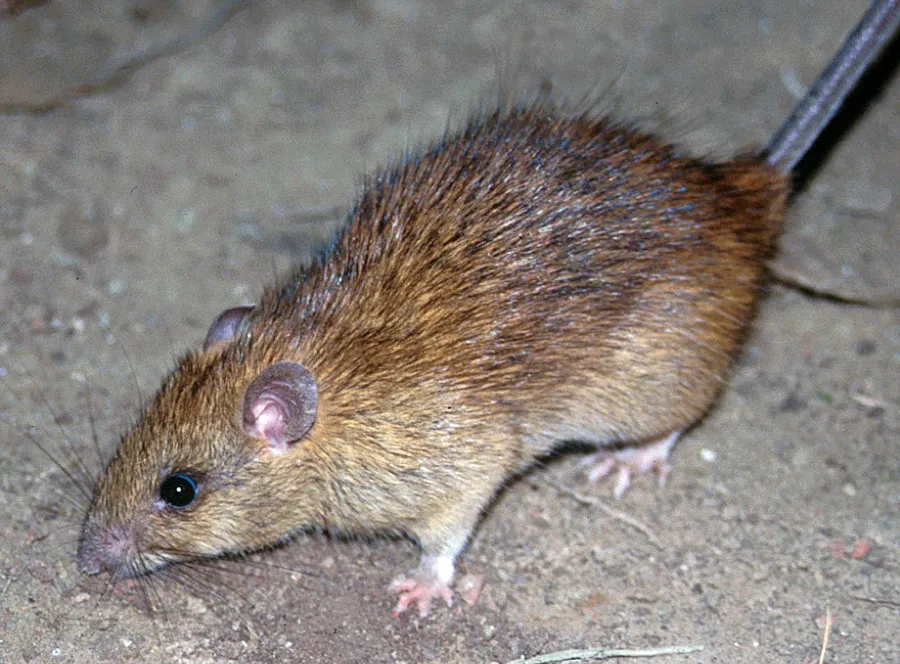
The rat in your Florida attic is almost certainly a roof rat, a climber that runs power lines like highways, nests in palms and fruit trees, and enters homes at the roofline, not the floor. That one fact explains why the traps in your garage catch nothing while the scratching over the bedroom ceiling continues every night around dusk and dawn.
The signs, and how to read them
- Noise at night. Scurrying or gnawing in the ceiling shortly after sunset is the classic roof rat signature; squirrels are daytime animals.
- Droppings. Roof rat droppings are about half an inch with pointed ends. Find them along attic beams, in the garage, or behind the water heater.
- Hollowed citrus. Oranges or grapefruit on your tree emptied through a neat hole are a neighborhood roof rat calling card.
- Grease marks and gnawing. Dark rub marks along beams, and gnaw damage on wires, which is the fire risk that makes this more than a noise complaint.

Why sealing beats poison, every time
A roof rat needs a gap about the size of a quarter. Exclusion means finding and sealing every one: roof returns, soffit gaps, gable vents, the gap where the AC line enters, with metal flashing or hardware cloth, not foam, which they chew through. Then snap traps inside the attic clear the animals that remain. This sequence, seal first, trap second, is what actually ends the problem.
Poison feels easier and creates two new problems. Rats die inside your walls, and the smell of a decomposing rat in a Florida summer is unforgettable. And poisoned rats stagger outside, where Florida's owls and hawks eat them and die of secondary poisoning. Skip the bait blocks; trap what is inside, seal what is outside.

What professional exclusion involves
A legitimate rodent job is construction work more than chemistry: a full crawl of the roofline and attic, documented entry points, metal seal work, a trapping program with return visits, and often sanitizing or replacing soiled insulation. Quotes vary widely with roof complexity, so compare the scope line by line against the ranges in the Florida cost guide. A quote that is only bait stations is not an exclusion job.